Wake County's Guide to Successful Capital Campaigns


Understanding Capital Campaigns
Capital campaigns are critical fundraising efforts aimed at collecting significant funds within a specific timeframe. These campaigns are typically used for major expenses like building projects, endowments, or expansions. In Wake County, these campaigns can make a substantial impact on community growth and development.
Successful capital campaigns require meticulous planning and execution. Engaging stakeholders and the community is crucial to achieving the desired financial goals. With thoughtful strategies, organizations can effectively reach their fundraising targets and make lasting contributions to their missions.

Setting Clear Goals
Before launching a capital campaign, it is essential to set clear and realistic goals. Define the financial target and outline the purpose of the campaign. Whether it's for a new facility or program expansion, clarity in objectives helps motivate donors and ensures a focused approach.
Consider conducting a feasibility study to assess the potential for success. This study can provide insights into donor capacity, community interest, and potential challenges. Armed with this information, you can refine your objectives and create a compelling case for support.
Building a Strong Team
A successful capital campaign relies on a dedicated team. Assemble a group of committed individuals who possess the skills and passion needed for the project. This team should include board members, staff, and volunteers with diverse expertise and connections.
Empower your team by providing the necessary training and resources. Regular communication and collaboration are vital to maintaining momentum and ensuring everyone is aligned with the campaign's goals.

Crafting a Compelling Case
A compelling case statement is vital for any capital campaign. This document outlines the reasons for the campaign, the benefits of success, and the impact on the community. It should resonate with potential donors and inspire them to contribute.
Use stories, testimonials, and data to highlight the urgency and importance of the campaign. Make sure the case statement is concise, visually appealing, and easy to understand. This will serve as the foundation for all campaign communications.
Engaging the Community
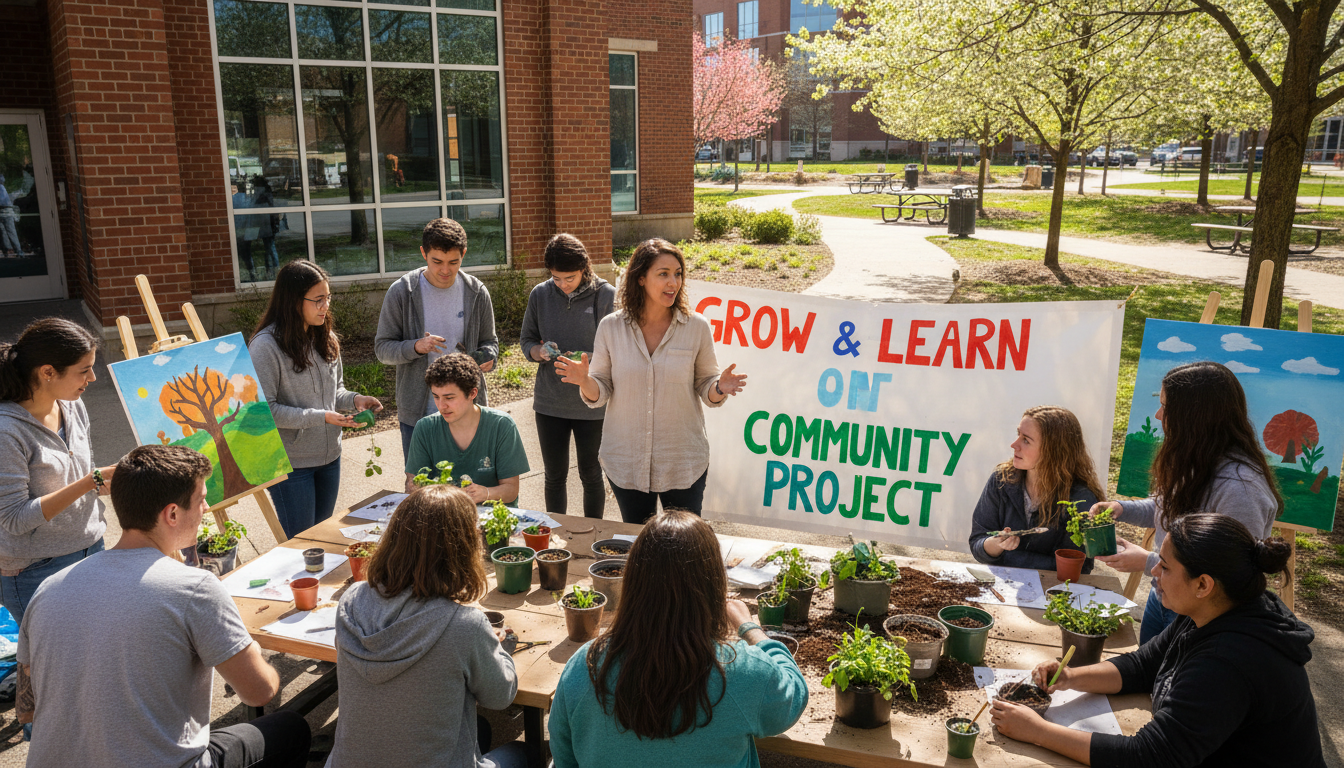
Community involvement is key to the success of a capital campaign. Engage local businesses, organizations, and residents by hosting events, workshops, and informational sessions. Building strong relationships with community leaders can also enhance support and credibility.
Social media and digital platforms can expand your reach and engagement. Share updates, success stories, and campaign milestones to keep the community informed and motivated. Encourage supporters to share your message to amplify your efforts.
Executing Effective Strategies
Implementing a strategic plan is crucial for reaching your capital campaign goals. Consider a phased approach that includes a quiet phase, where major gifts are secured, followed by a public phase to engage a broader audience.
Create a timeline with specific milestones and deadlines. Regularly evaluate your progress and adjust strategies as needed to maintain momentum and address any challenges that arise.
Expressing Gratitude
Recognizing and thanking donors is an essential part of any capital campaign. Show appreciation through personalized thank-you notes, recognition events, and public acknowledgments. Expressing gratitude fosters goodwill and encourages continued support.
Building long-term relationships with donors can lead to future contributions and advocacy for your organization. Make sure to keep them informed about the impact of their donations and the progress of the campaign.