Navigating the Grant Writing Process: Common Mistakes and How to Avoid Them


Understanding the Basics of Grant Writing
Grant writing is an essential skill for many organizations seeking funding for projects, research, or initiatives. However, navigating this process can often be overwhelming, especially for beginners. Understanding the fundamentals can set you on the path to success.

Before diving into the writing process, it's crucial to research potential funders thoroughly. Identify those whose interests align with your project. Tailor your proposal to meet their specific criteria and guidelines to increase your chances of success.
Common Mistakes in Grant Writing
Ignoring Guidelines and Requirements
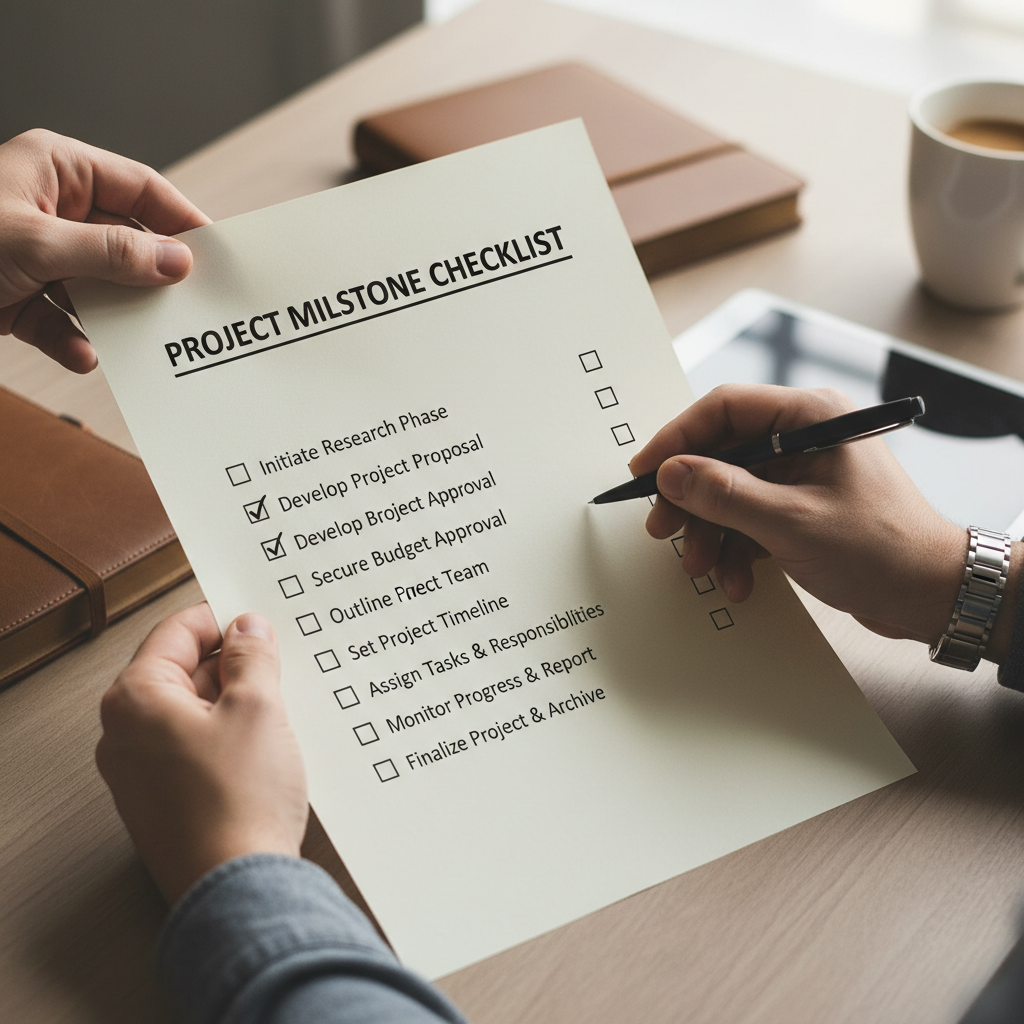
One of the most common mistakes is ignoring the specific guidelines and requirements set by the grant provider. Every application has its own set of rules, and failure to comply can lead to immediate disqualification.
To avoid this, carefully read and adhere to all instructions, including word count, formatting, and submission deadlines. Double-check your application to ensure compliance.
Lack of Clarity and Focus
Clarity and focus are vital in grant writing. A proposal that is vague or lacks a clear objective can confuse reviewers and reduce your chances of success. It is essential to articulate your goals, methods, and expected outcomes clearly.
Use straightforward language and avoid jargon unless necessary. Ensure that your objectives are specific, measurable, achievable, relevant, and time-bound (SMART).
How to Strengthen Your Grant Proposal
Building a Strong Narrative
A compelling narrative can make your proposal stand out. Tell a story that connects emotionally with the reviewers and clearly demonstrates the significance of your project. Explain the problem, your solution, and the impact it will have.

Providing Evidence and Support
Support your proposal with solid evidence and data. This includes statistics, research findings, and case studies that validate the need for your project. Providing credible sources and references can strengthen your case and build trust.
Consider including letters of support from partners or stakeholders who endorse your project. These letters can add credibility and demonstrate collaboration.
Review and Revise
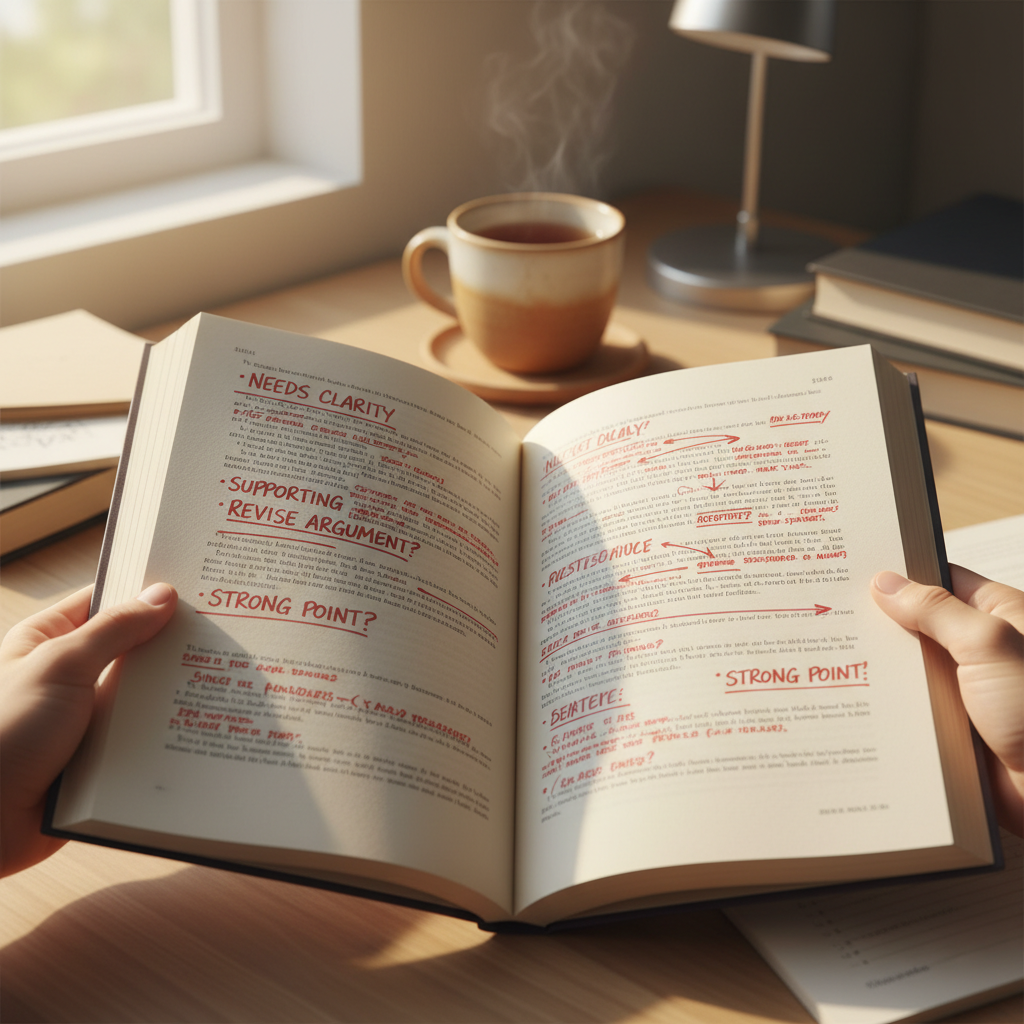
Before submitting your proposal, review and revise it thoroughly. This step is crucial in catching errors and improving clarity and coherence. Consider having someone else read your proposal to provide feedback and catch mistakes you may have overlooked.
Revise your proposal to enhance its flow and ensure that it aligns with the grant provider's priorities. A well-polished proposal can make a significant difference.
Conclusion
Writing a successful grant proposal requires careful planning, attention to detail, and a clear understanding of the funder's requirements. By avoiding common mistakes and focusing on creating a compelling, well-supported narrative, you can navigate the grant writing process more effectively and increase your chances of securing funding.