Elevating Board Development: Governance Training for Nonprofits


Understanding the Importance of Board Development
Nonprofit organizations rely heavily on dedicated boards to steer them toward achieving their missions. However, effective governance requires more than just passion and commitment. It demands a well-rounded understanding of nonprofit management, strategic planning, and financial oversight. This is where governance training for nonprofits comes into play, ensuring that board members are fully equipped to make informed decisions.
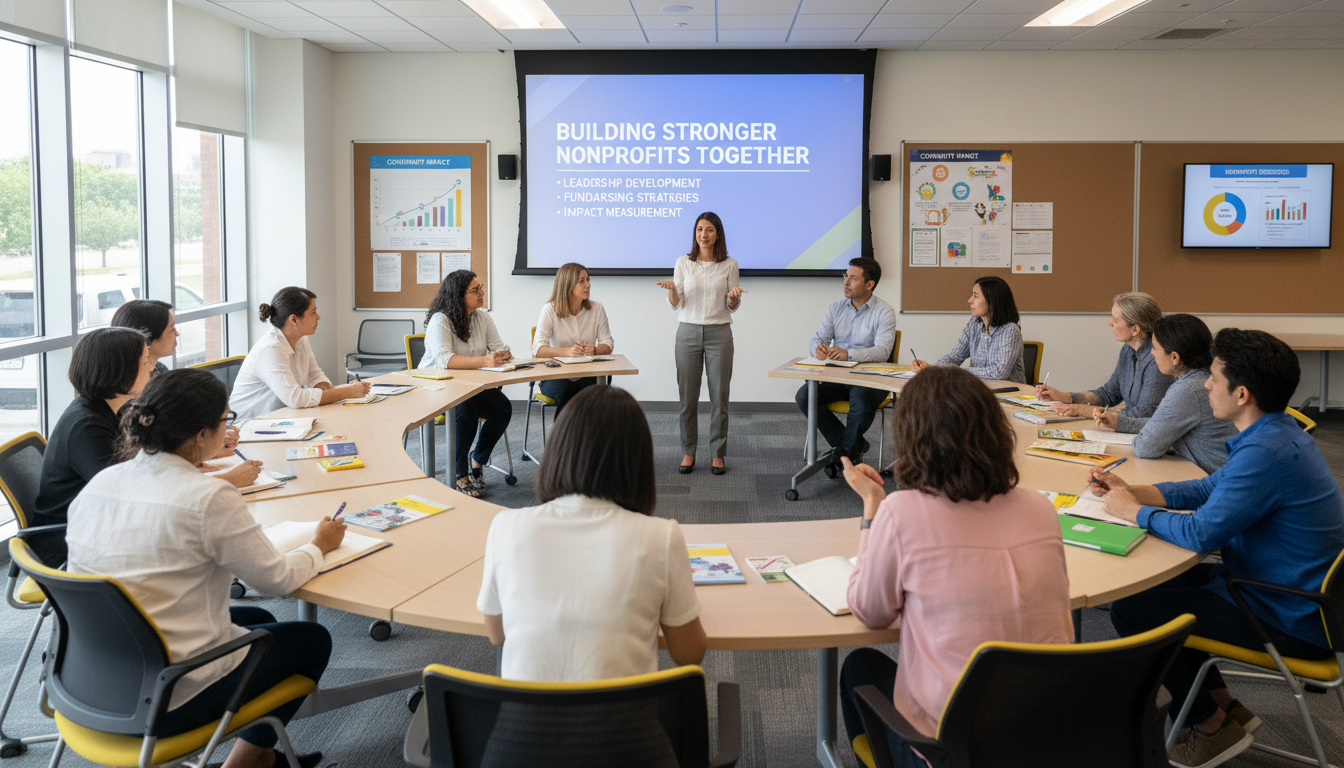
Board development isn't just about filling seats; it's about cultivating a group of individuals who can lead with integrity and insight. By investing in governance training, nonprofits can enhance their board’s effectiveness and ensure long-term success.
Benefits of Governance Training
Governance training provides numerous benefits that elevate the overall functioning of a nonprofit board. First and foremost, it helps in clarifying roles and responsibilities. Board members often come from diverse backgrounds and may not have prior experience in nonprofit governance. Training sessions can bridge this gap by clearly defining expectations and duties.
Moreover, such training fosters better decision-making. When board members understand the intricacies of nonprofit operations, they can contribute more meaningfully to strategic discussions and decisions. This leads to more cohesive and insightful governance.

Key Components of Effective Training
To be truly effective, governance training should cover a range of essential topics. These typically include understanding financial statements, legal compliance, and fundraising strategies. Additionally, it should address the unique challenges faced by the nonprofit sector, such as limited resources and donor relations.
- Financial literacy and management
- Legal and ethical responsibilities
- Strategic planning and implementation
- Fundraising and donor engagement
By focusing on these areas, nonprofits can ensure their board members are well-prepared to tackle any challenges that arise.
Implementing Continuous Learning
While initial training is crucial, continuous learning is equally important. The nonprofit landscape is constantly evolving, and board members need to stay updated on the latest trends and regulations. Regular workshops, seminars, and webinars can provide ongoing education and keep the board engaged and informed.

Encouraging a culture of learning within the board promotes adaptability and resilience, allowing members to react proactively to changes in the environment.
Creating a Tailored Training Program
Every nonprofit is unique, and so are its needs. Therefore, it's essential to tailor governance training to align with the specific goals and challenges of the organization. Customizing training programs ensures that the content is relevant and impactful, addressing the actual needs of the board and organization.
Working with experienced trainers who understand the nonprofit sector can greatly enhance the value of the training. They can provide insights and case studies that resonate with the board's experiences and aspirations.
Conclusion: Investing in the Future
Investing in board development through governance training is a strategic move that pays dividends in the long run. By equipping board members with the necessary skills and knowledge, nonprofits can ensure effective governance and sustainability. Ultimately, this investment supports the organization's mission, enabling it to make a positive impact on the communities it serves.